

Game changers:
Women’s sports in the spotlight
From Record Viewership to Global Influence: The Unstoppable Rise of Women’s Sports
In recent years, the world of sports has undergone a significant transformation, marked by the meteoric rise of women’s sports.
Women’s sports are now commanding global attention. From the electrifying and record-breaking viewership of the Women’s World Cup in Australia to a Final Four NCAA audience surpassing their male counterparts, women’s sports aren’t just making waves; they’re re-shaping the whole game!
In fact, the numbers tell a compelling story:
📺 According to the Women’s Sport Trust, the first four months of 2024 witnessed a healthy 16% year-on-year growth in TV viewership for women’s sports amongst UK viewers.
⌨️ And, it’s not just on TV. Web searches echo a similar trend, indicating that demand transcends the free-to-air games shown on the box. A notable upward search trend in popularity among women’s leagues like the WSL, LPGA, and WNBA has been observed over the past five years across search engines, and doesn’t show any sign of slowing down.
📱 The popularity and influence of female athletes also extends beyond the sporting arena. As brands and fans delve into influencer marketing, the popularity of individual athletes continues to soar across social channels, amplifying their impact both on and off the field.




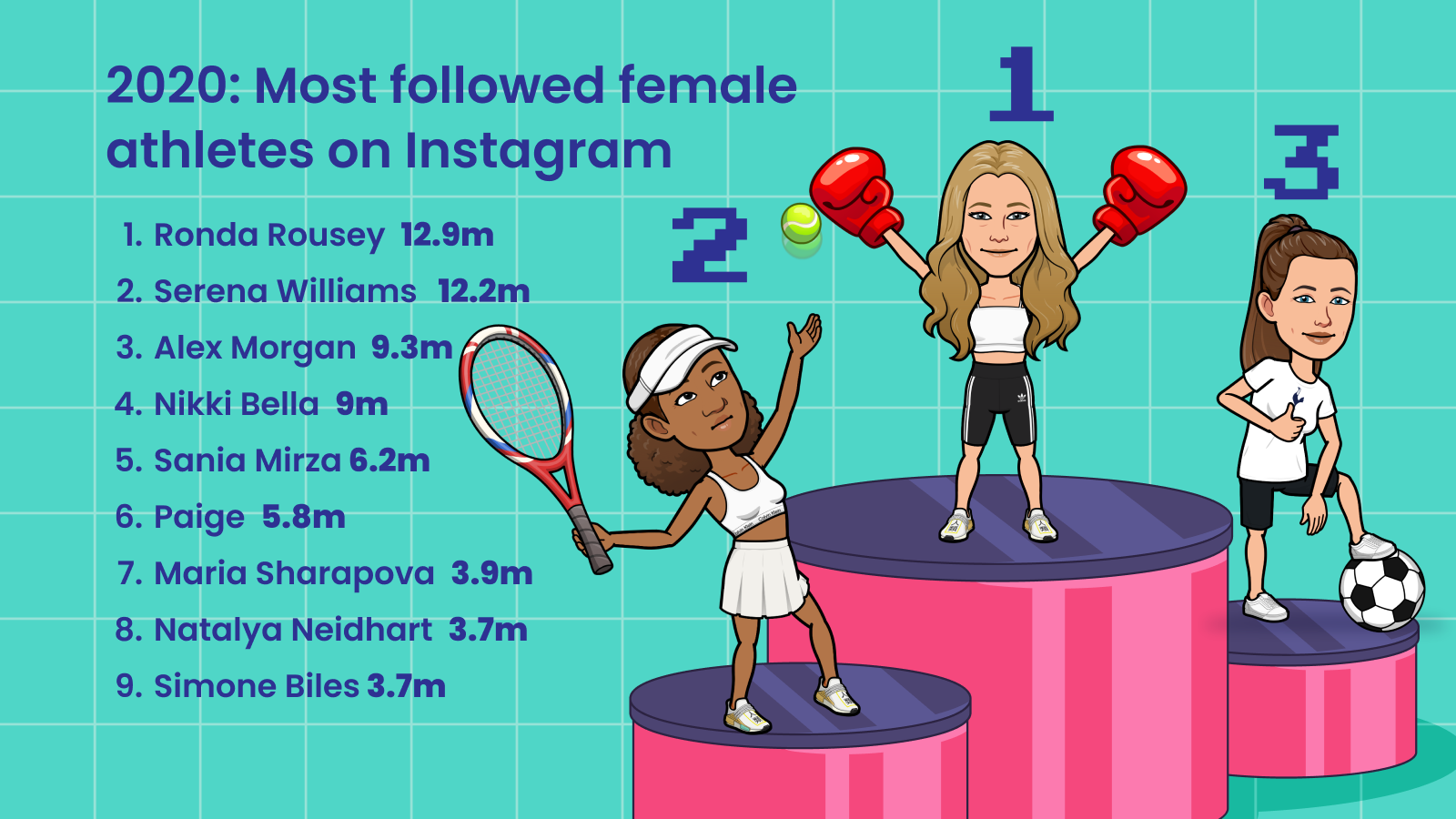

While these developments are indeed promising, Tammy Parlour, CEO of the Women’s Sport Trust, underscores that we are currently in a test and learn phase. Adding that “…brands need to activate their properties effectively, build on the storytelling around women’s sport and continue to create emotional connections with fans.”
So just how do women’s sports properties continue this growth trajectory?
How did women’s sports get to where they are today?
The journey for women’s sports hasn’t always been smooth. In 2011, the X Games cancelled Women’s Vert Skateboarding from the program due to a lack of emerging female skaters, effectively turning the event into a male-only spectacle. More recently, the 2023 Women’s Tour of Britain was cancelled due to insufficient funding, highlighting ongoing obstacles in the advancement of women’s sports.
In fact, there has often been a misconception that women’s sport doesn’t return the investment put into them, leading to calls for less funding, investment, and remuneration due to lower viewership. The funny thing? Increased viewership can only be achieved through investment so the argument is a bit like a merry go round.
However, research by Premier Victoria in Australia has shown that sponsoring women’s elite sports offers corporations a clear competitive edge. It demonstrated that every dollar invested in the visibility of women’s sports supports, on average, the realisation of $7.29 in customer value for the sponsor. This is also augmented by another report published in December 2023 Deloitte that predicts global revenues for women’s sports would top £1bn in 2024 – a 300% increase on the industry’s valuation in 2020.
The good news is that this ROI message has been resonating with many broadcasters and sponsors. The remarkable growth trajectory of women’s sports is a testament to strategic broadcasting decisions, socio-political awareness, and the dynamic efforts of athletes to inspire from the grassroots level upwards.


Notably, 2023 represented a tipping year with the big sports getting more live coverage. Let’s start with cricket and Women’s IPL agreeing a £95m broadcast rights deal before a ball is bowled. At the elite level in the UK, and in the light of the damning conclusions found in the Independent Commission for Equity in Cricket’s report on discrimination across the game, the England and Wales Cricket Board announced that the women’s national side would be paid the same match fees as men.
In November, the US National Women’s Soccer League signed a four-year media rights deal for $240m, a 40-fold increase on its previous agreement. Last year also saw the creation of NewCo, an independent entity that has been established specifically to govern the 24 teams in the top two divisions of women’s soccer in England and to commercialise both competitions, similar to the role of the Premier League. And BBC’s Six Nations coverage has improved year on year from mainly highlights and red-button coverage to the stage where almost all games are broadcast live.

🔊 “For broadcasters, the name of the game is return on investment” 🔊
Hear from our SVP Marketing, Clare Butler, and US Sales Engineer, Craig Gorbunoff, as they discuss how women’s sports have earned their place in the spotlight by pushing boundaries and demonstrating their value – and why it’s not always about the viewership numbers.
While these figures may be eclipsed by the men’s game, it’s important to remember that women’s sports aren’t trying to emulate the big leagues of their counterparts. Instead, they are forging their own path.
As women’s sports increasingly demonstrate their commercial viability and sustainability, more sponsors and investors will likely seek to get involved. But how can women’s teams, federations, and governing bodies stoke the fire to help drive this growth?
What’s next for women’s sports?
We’re already seeing more media outlets and broadcasters increasing their efforts, but for individual clubs, federations, and governing bodies to take it a step further and maintain momentum, it’s essential that they complement these efforts via their own digital channels to accelerate growth, grow eyeballs on their sport and increase participation. At any level, there are numerous commercial opportunities that could yield quick wins, including additional sponsorship deals and innovative engagement strategies.
While it might seem like a mountain to climb to emulate, surprisingly women’s sports can provide quality live experiences for their fans without the budget or resources of a major broadcaster to significantly boost their impact. Using cloud technology, has democratized live production and distribution to the point where sports organizations can create high-quality live experiences such as alternative broadcasting, live digital programming or even match production, putting fans at the heart of the action, while building commercial inventory to sell to potential sponsors, or deepening the value of existing sponsors. After all, we all know engagement peaks with live content, so why not create more of it and give fans access to more of your property.
To sum up, it’s taken years for women’s sports such as football, cricket and rugby to build enough momentum to secure broadcast deals that will secure their future but there is still a long way to go for many other sports are relatively early in their live coverage aspirations, which is the basis of any commercial strategy to help grow. Technology such as the cloud affords the opportunity to cost-effectively fuel this growth with live content driving unprecedented levels of fan engagement and audiences on every channel from linear, to OTT to social, to owned and operated and – it’s just a matter of how creative they can be.